Finding Home in Healing: How Therapy Supports Immigrant and South Asian Clients

What unique challenges do immigrant and South Asian clients face when seeking therapy?
When I first moved from India to the United States to pursue my master’s degree in clinical mental health counseling, I arrived with more than just a suitcase. I brought cultural values, family expectations, and stories that shaped my identity. Like many immigrants, I learned to navigate the space between two cultures—one I came from and one I was stepping into. Many South Asian and immigrant clients carry silent emotional burdens beneath achievement, resilience, and gratitude. Therapy may not be the first resource they turn to because cultural messages often reinforce ideas like “push through,” “stay strong,” or “others have it harder.” These beliefs can create guilt, loneliness, and identity conflict that remain hidden for years.
Why do many immigrants feel internal pressure to “be both”—honor family expectations and find independence?
In my sessions, I often see clients wrestling with a dual pressure:
honoring the sacrifices their families made,
while trying to form their own identity in a new environment.
This tug-of-war between who I should be and who I want to be can show up as anxiety, burnout, shame, or feeling disconnected from oneself as well as to the others in their differing communities. The pressure to be both can be all-consuming, at times, and helping individuals normalize, understand, and better manage this pressure is something I strive for in my work with the unique challenges of immigrants and South Asian clients.

How do cultural values shape emotional expression?
In collectivistic cultures like many South Asian communities, harmony and reputation often take priority. Expressing emotional distress can feel like burdening others or appearing ungrateful. As a result, emotional struggles may surface in more indirect ways:
persistent fatigue
physical tension
irritability
headaches or sleep disruption
Clients may say, “I’m just tired” instead of “I’m overwhelmed” or “I can’t handle this.” Understanding these culturally rooted expressions helps ensure therapy is a safe space of cultural-attunement and the subtle nuance of what may be underneath these feelings is not dismissed or ignored.
How can therapy help clients integrate two identities instead of choosing one?
Young South Asians—especially those in Washington, DC—often feel torn between traditional values and Western ideas of individuality. This might show up as guilt around wanting independence, frustration with generational expectations, or confusion about belonging. Therapy also creates a safe space for individuals struggling with cultural identity to explore the many layers of their identities, and weave together the fabric of these different parts of themselves in a way that’s cohesive and allows them to claim their uniqueness.
In therapy, we work toward integration rather than choosing sides. Clients learn that identity can be blended, flexible, and personal. This integration becomes not only healing but empowering, allowing them to define success and happiness on their own terms.
Why does representation in therapy matter for South Asian and immigrant clients?
For many, seeing a therapist who understands cultural nuances—like duty, shame, or family hierarchy—creates an instant sense of safety. While I share aspects of my clients’ cultural background, I remain mindful that each person’s story is unique. My approach combines shared cultural resonance with deep curiosity. This balance helps clients feel seen without assumptions and supported without judgment.
Are conversations about mental health improving in South Asian communities?
Yes—slowly but meaningfully. Many clients are beginning to challenge generational stigma around therapy. They’re initiating conversations at home, recognizing emotional needs earlier, and embracing self-compassion. Social media, community engagement, and representation in the field are helping normalize mental health support, especially among younger generations. But there is still work to be done.
What is my hope when working with immigrant and South Asian clients?
Working with these communities is deeply meaningful to me. Their resilience, strength, and vulnerability reflect the courage it takes to rebuild, adjust, and redefine belonging in a new culture. My hope is to create a therapeutic space that honors clients’ cultural identities while supporting exploration, growth, and healing.
Therapy isn’t about changing who you are—it’s about reconnecting with parts of yourself that may have been silenced while adapting or surviving. When clients allow themselves to be seen fully—culture, pain, strength, and all—healing begins to feel like home.
———————————————————————————————————————————————————————————
About the Author
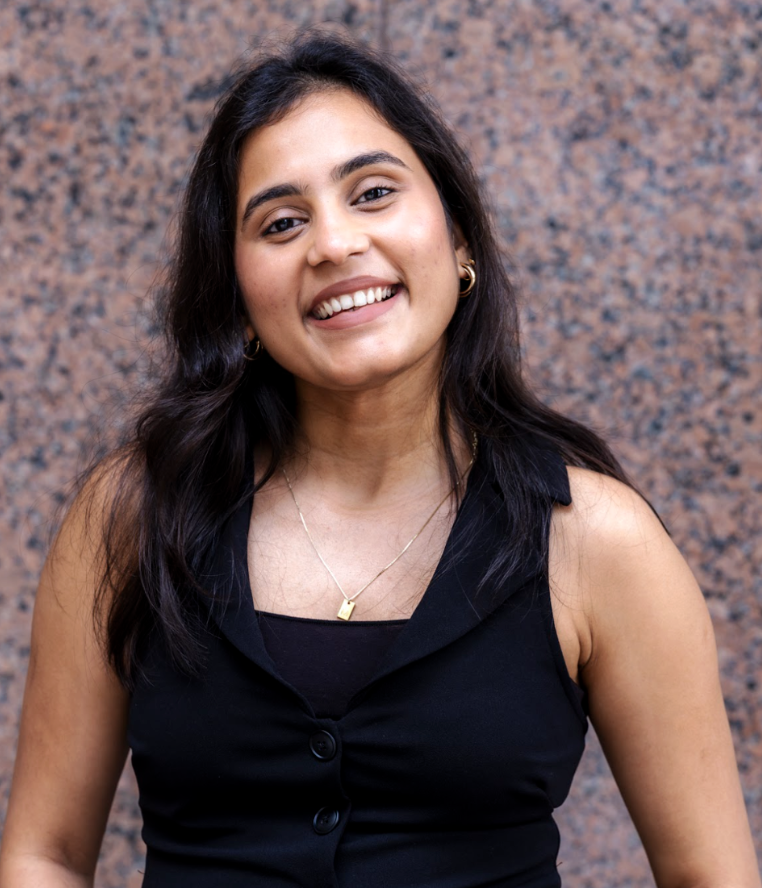
Disha Begani is a licensed graduate professional counselor at The Sterling Group. She holds a Master’s in Clinical Mental Health Counseling and specializes in working with adolescents and young adults navigating anxiety, attachment wounds, cultural identity, and life transitions.
Grounded in a psychodynamic and trauma-informed lens, Disha integrates:
Accelerated Resolution Therapy (ART)
Mindfulness
JPMR
Creative expression
Using these modalities she helps clients build insight, heal emotional patterns, and strengthen resilience. Her style is warm, collaborative, and curious—rooted in deep respect for each client’s story .If you’re interested in working with Disha for cultural identity therapy or traditional counseling, reach out to TSG for a free 15-minute consultation today!